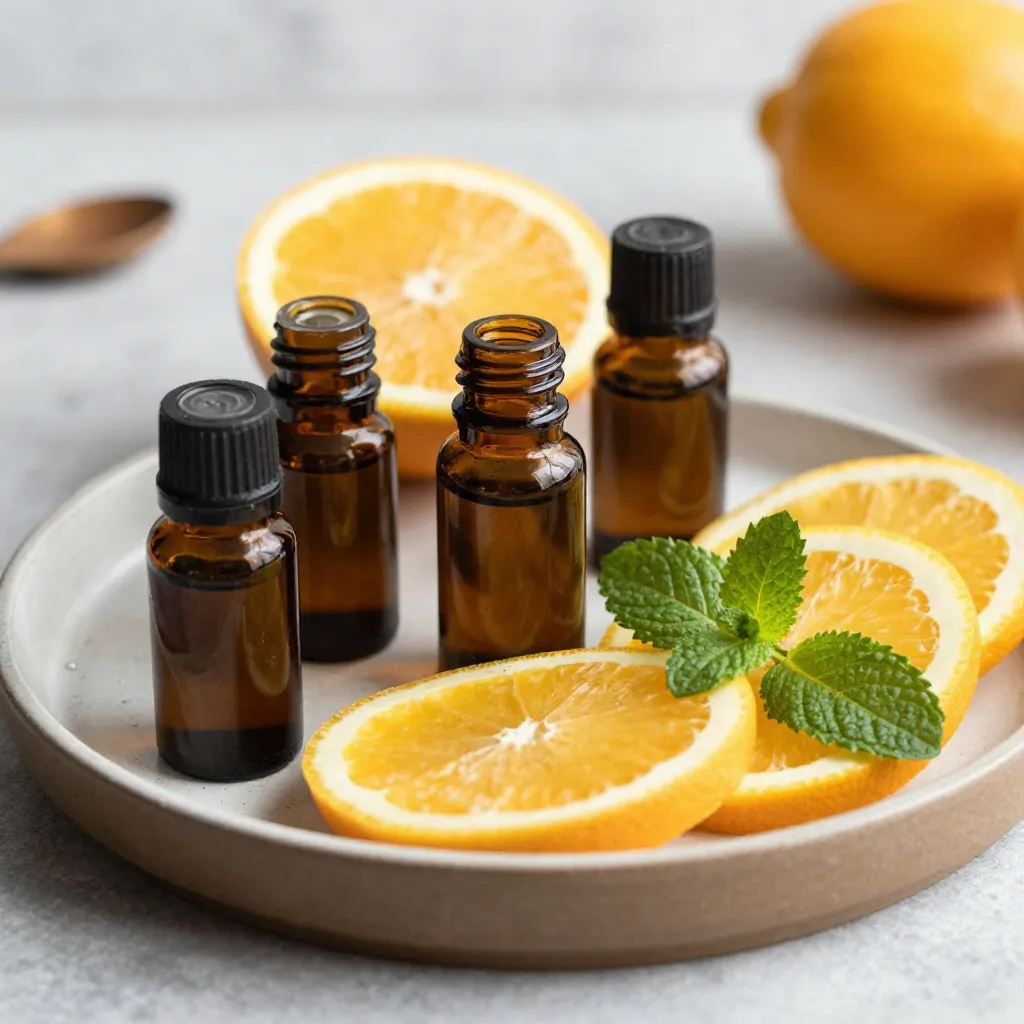
Safe Diffuser Use & Home Setup
Learn how to properly set up, use, and maintain your essential oil diffuser for safe and effective aromatherapy at home.
Diffuser Cleaning Guide
-
Daily Maintenance
After each use, empty any remaining water from the diffuser. Wipe the interior with a soft, dry cloth to remove oil residue.
-
Weekly Deep Clean
Fill the diffuser halfway with clean water, then add 10-15 drops of white vinegar. Run the diffuser for 5-10 minutes, then empty and rinse thoroughly with clean water.
-
Removing Stubborn Residue
If oil residue builds up, use a cotton swab dipped in rubbing alcohol to gently clean the diffuser components. Always ensure the diffuser is unplugged before cleaning.
-
Drying Thoroughly
After cleaning, allow all parts to air dry completely before storing. Never store the diffuser with moisture inside, as this can promote mold growth.
-
Regular Inspection
Check your diffuser monthly for any signs of wear, cracks, or mineral buildup. Clean or replace parts as needed to maintain optimal function.
Safe Diffusion Time by Room Size
Small Rooms (up to 100 sq ft)
Recommended Time: 15-30 minutes
Small spaces like bedrooms or home offices require shorter diffusion times. Use 3-5 drops of essential oil and ensure good ventilation.
Medium Rooms (100-250 sq ft)
Recommended Time: 30-45 minutes
Living rooms and larger bedrooms can handle longer sessions. Use 5-8 drops and maintain air circulation throughout the session.
Large Rooms (250+ sq ft)
Recommended Time: 45-60 minutes
Open floor plans and large spaces benefit from extended diffusion. Use 8-12 drops and ensure windows or doors can be opened for ventilation.
Room Size Calculator
Calculate the recommended number of oil drops based on your room size:
Formula: Approximately 4 drops per 100 square feet for optimal diffusion.
Best Diffusers for Allergy-Sensitive People
Ultrasonic Diffusers
These use water and vibrations to create a fine mist. They're gentle and add humidity to the air, making them ideal for dry climates. Best for continuous, subtle diffusion.
Pros: Adds humidity, quiet operation, cool mist
Cons: Requires regular cleaning, needs water
Nebulizing Diffusers
These diffusers use pressurized air to create a concentrated mist without water. They don't add humidity, making them suitable for humid environments.
Pros: No water needed, pure essential oil diffusion, powerful
Cons: Uses more oil, can be louder, more expensive
Evaporative Diffusers
These use a fan to blow air through a pad or filter containing essential oils. They're simple and affordable, offering gentle diffusion.
Pros: Affordable, simple operation, portable
Cons: Less consistent diffusion, requires pad replacement
Natural Humidifier + Aroma Combo Ideas
Dual-Purpose Setup
Ultrasonic diffusers naturally add moisture to the air while diffusing essential oils. This makes them perfect for combining aromatherapy with natural humidification.
Winter Wellness Combo
Use eucalyptus (3 drops) in your ultrasonic diffuser during dry winter months. The added humidity helps combat dry air while the oil provides respiratory comfort.
Bedroom Sleep Setup
Combine lavender (4 drops) with the humidifying benefits of an ultrasonic diffuser in your bedroom. The added moisture supports restful sleep.
Office Focus Combo
Use peppermint (2 drops) in a small ultrasonic diffuser on your desk. The gentle mist and aroma help maintain focus without overwhelming the space.
What NOT to Mix
Essential Oils to Avoid Mixing
- Peppermint + Eucalyptus: Can be too stimulating when combined in high concentrations. Use sparingly together.
- Citrus Oils + Photosensitive Oils: Some citrus oils can increase sun sensitivity. Avoid mixing with oils like bergamot if planning sun exposure.
- Strong Oils Together: Combining multiple strong oils (like peppermint, rosemary, and eucalyptus) can be overwhelming and cause irritation.
- Too Many Oils: Stick to 2-3 oils maximum per blend. More than this can create conflicting scents and increase the risk of sensitivity reactions.
General Rule: When in doubt, use oils individually or in simple pairs. Always test blends in small amounts first.
Ventilation and Airflow Guidelines
Proper Ventilation Tips
-
Maintain Air Circulation
Keep a window slightly open or ensure your space has good airflow. Stagnant air can cause oils to become overwhelming.
-
Use Ceiling Fans
Running a ceiling fan on low helps distribute the aroma evenly without creating drafts that disrupt the diffusion pattern.
-
Position Diffuser Strategically
Place your diffuser in a central location, elevated on a stable surface. Avoid corners where air doesn't circulate well.
-
Take Regular Breaks
Allow 1-2 hours between diffusion sessions to give the air time to refresh. Continuous diffusion can lead to olfactory fatigue.
-
Monitor Air Quality
If the aroma becomes too strong or you experience any discomfort, stop the diffuser immediately and increase ventilation.
Safety Checklist
Before Use
- Clean diffuser is clean and dry
- Using appropriate number of drops
- Room is well-ventilated
- Diffuser is on stable surface
During Use
- Monitor for any adverse reactions
- Keep diffuser away from pets
- Don't leave running unattended for long periods
- Follow recommended time limits
After Use
- Turn off and unplug diffuser
- Empty water and wipe clean
- Allow to dry completely
- Store in safe, dry location